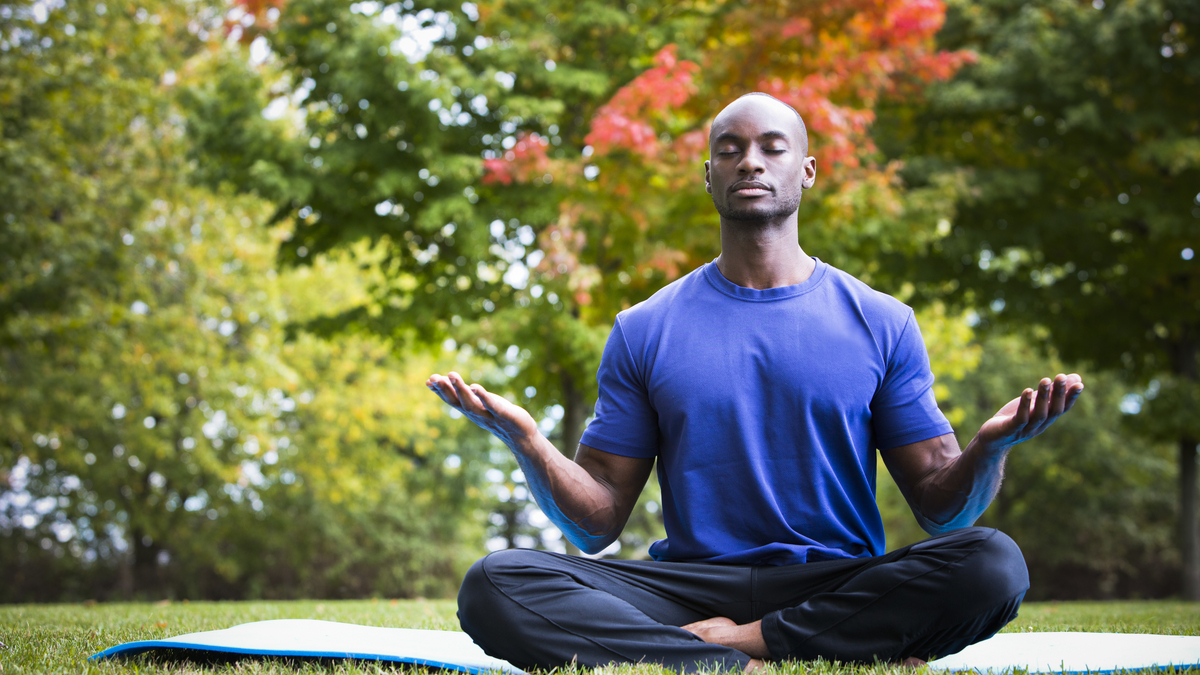
Physical fitness is often associated with strength, endurance, and performance, but true fitness extends beyond muscles and movement. Meditation plays a powerful supporting role by training the mind to work in harmony with the body. When combined, meditation and physical exercise create a balanced approach that enhances results, recovery, and long-term well-being.
The Mind-Body Connection in Fitness
Every physical movement begins in the mind. Focus, motivation, and awareness shape how the body performs during exercise. Meditation strengthens this connection by cultivating mental clarity and present-moment awareness, allowing workouts to become more intentional and effective.
Over time, this connection helps individuals recognize physical limits, improve form, and reduce unnecessary strain.
Improved Focus and Exercise Performance
Meditation enhances concentration, which directly impacts workout quality. A focused mind allows better control over movements, breathing, and pacing.
Ways meditation improves performance include:
- Sharper focus during strength training and cardio
- Better coordination and balance
- Improved breathing control during intense effort
- Reduced mental distractions during workouts
Athletes and fitness enthusiasts often find that mindful attention leads to more efficient and satisfying training sessions.
Faster Recovery and Reduced Injury Risk
Recovery is a critical part of physical fitness, and meditation supports it by calming the nervous system. A relaxed mental state encourages the body to shift into recovery mode more effectively.
Long-term recovery benefits include:
- Lower muscle tension and soreness
- Reduced stress-related inflammation
- Improved sleep quality, which supports muscle repair
- Greater awareness of early injury signals
By listening more closely to the body, individuals can avoid overtraining and promote sustainable progress.
Stress Management and Hormonal Balance
Intense physical training places stress on the body. While some stress is beneficial, chronic stress can hinder fitness progress. Meditation helps regulate stress hormones, creating a healthier internal environment for physical growth.
This balance supports:
- Consistent energy levels
- Improved metabolism
- Better mood and workout motivation
- Reduced emotional eating linked to stress
Enhanced Endurance and Breath Control
Breath is central to both meditation and physical fitness. Meditation practices that emphasize controlled breathing strengthen lung efficiency and oxygen utilization.
Over time, this can lead to:
- Increased stamina during endurance activities
- More efficient cardiovascular performance
- Improved rhythm and pacing
- Greater comfort during high-intensity exercise
Building Consistency and Discipline
Fitness success depends on long-term consistency. Meditation strengthens self-discipline by improving awareness of habits, excuses, and mental resistance.
Mental skills developed through meditation include:
- Stronger commitment to fitness routines
- Reduced mental fatigue
- Improved goal clarity
- Greater patience with gradual progress
This mental resilience helps individuals stay active even when motivation fluctuates.
Supporting Overall Wellness Through Balance
Meditation complements physical fitness by reminding practitioners that rest, awareness, and mental health are part of strength. Instead of pushing relentlessly, meditation encourages balance, making fitness a sustainable lifestyle rather than a short-term pursuit.
When mind and body train together, physical fitness becomes more enjoyable, adaptable, and aligned with long-term health goals.
Frequently Asked Questions (FAQ)
1. Can meditation improve workout motivation?
Yes, meditation increases self-awareness and emotional regulation, which can strengthen intrinsic motivation and reduce mental resistance to exercise.
2. Should meditation be done before or after workouts?
Both options are effective. Meditating before exercise enhances focus, while meditating afterward supports recovery and relaxation.
3. Does meditation help with muscle growth?
Indirectly, yes. By improving sleep, stress management, and recovery, meditation creates better conditions for muscle development.
4. Is meditation useful for high-intensity training programs?
Absolutely. Meditation helps manage mental fatigue and stress, making high-intensity training more sustainable over time.
5. How long should meditation sessions be for fitness benefits?
Even 5–10 minutes per day can support physical fitness when practiced consistently.
6. Can meditation replace stretching or mobility work?
No. Meditation complements physical practices but should be used alongside stretching, mobility, and proper warm-ups.
7. Is meditation beneficial for beginners starting a fitness journey?
Yes. Meditation helps beginners develop body awareness, patience, and confidence, making it easier to build healthy fitness habits.
By integrating meditation into a fitness routine, individuals can enhance performance, recovery, and mental resilience—creating a more complete and sustainable approach to physical health.
